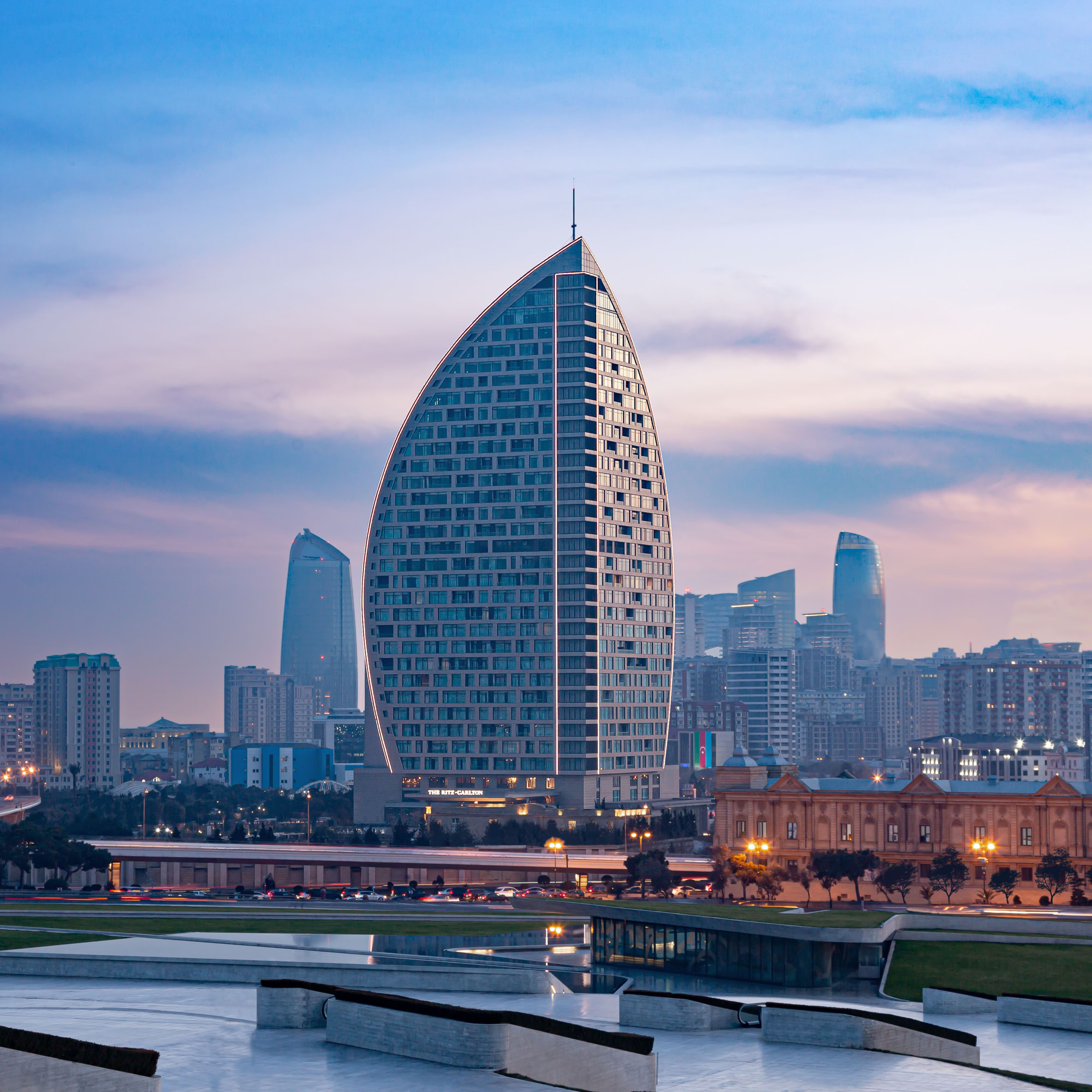
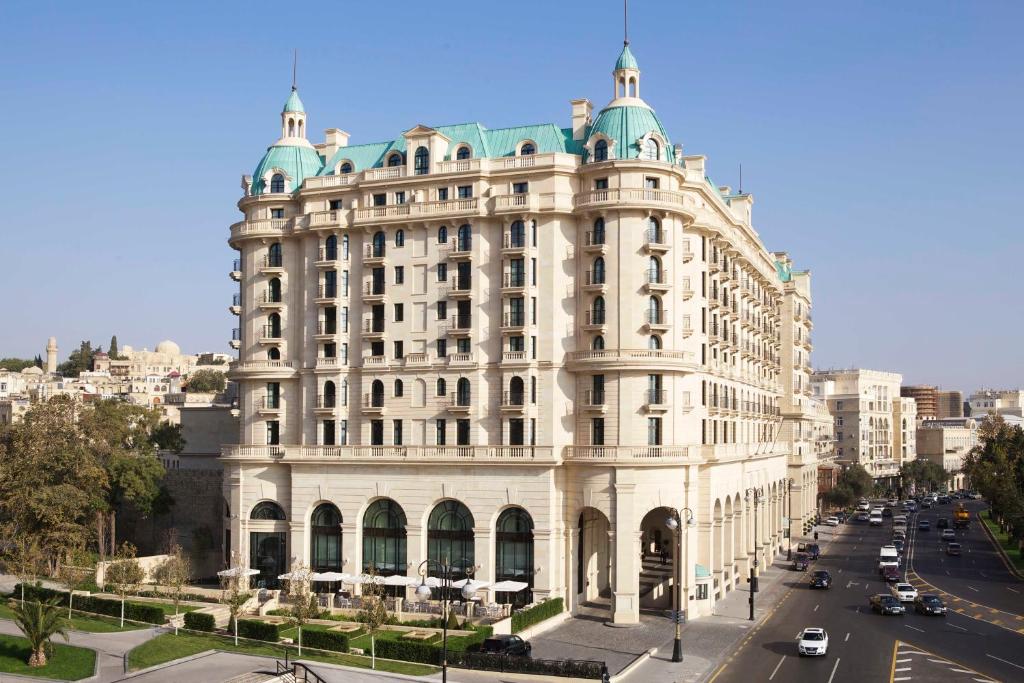
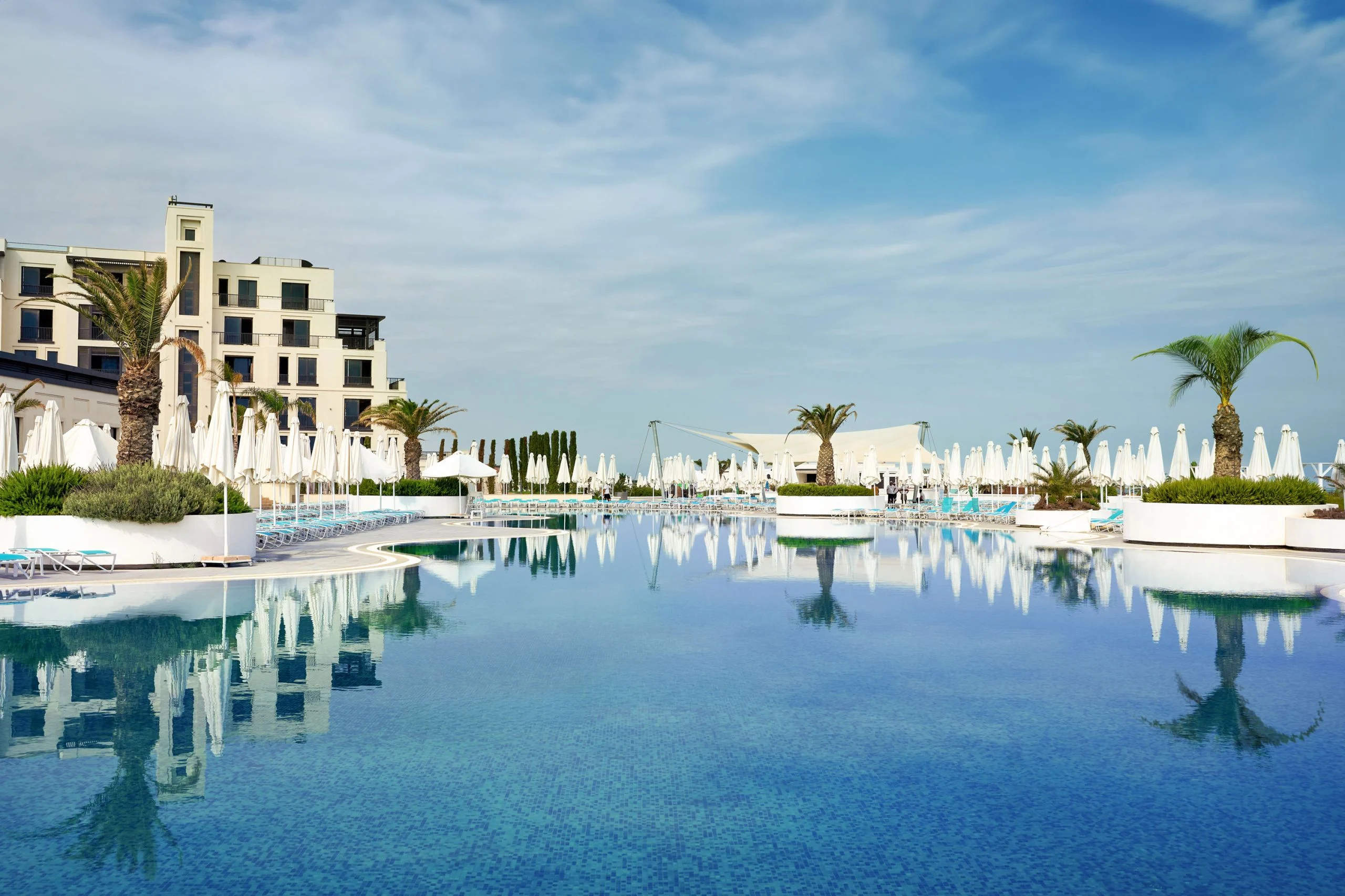
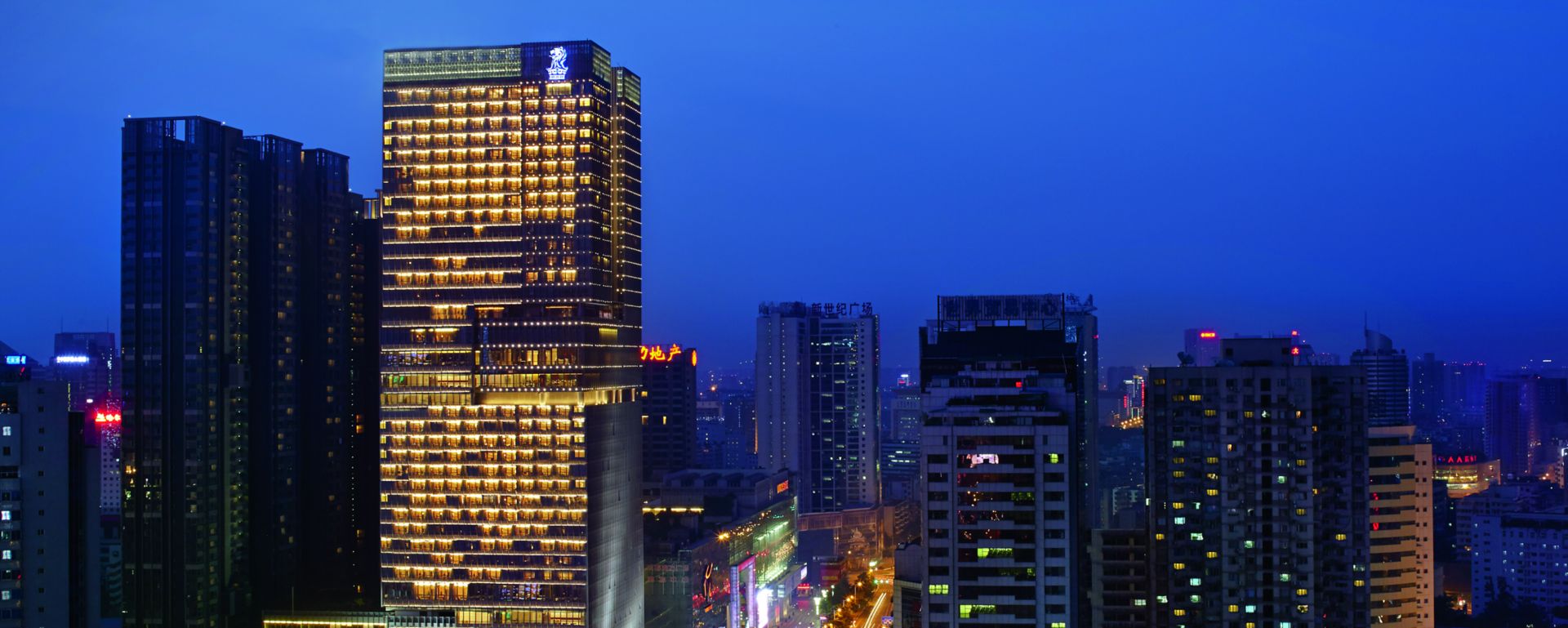
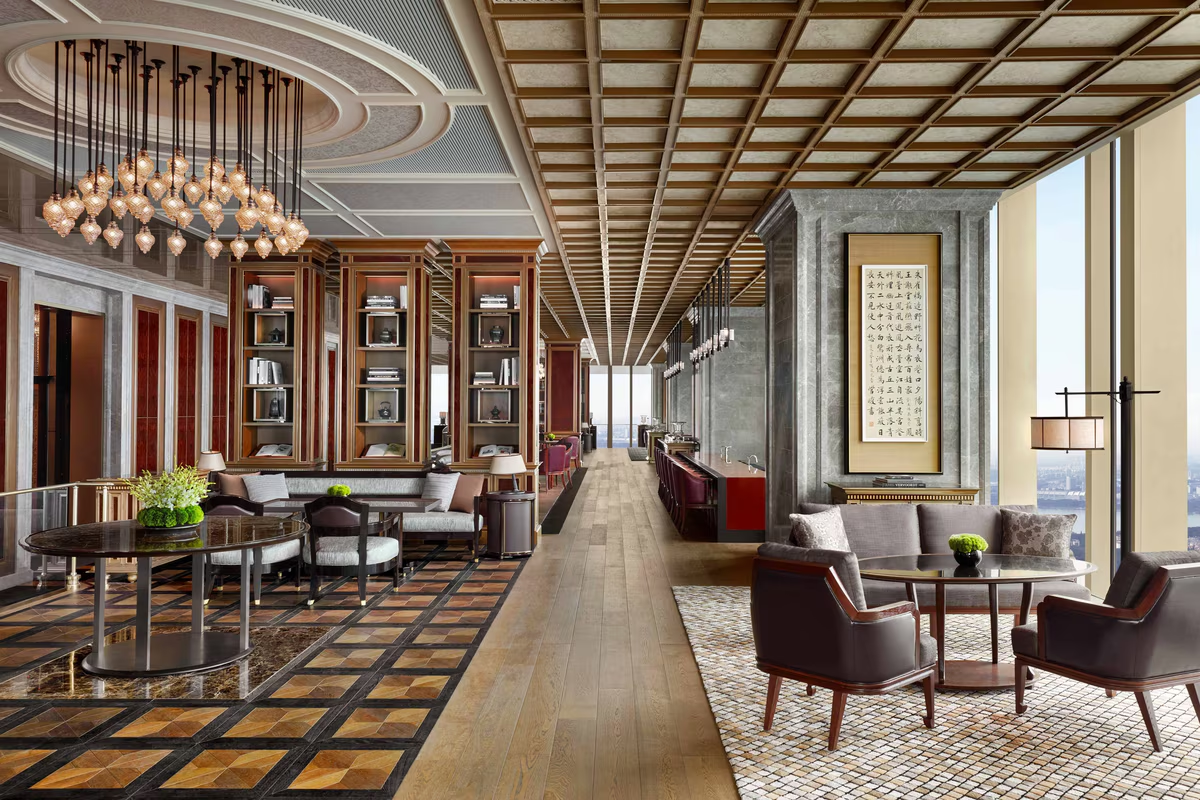
The Ritz-Carlton's Baku property — One MICHELIN Key urban hotel with dual heated pools and hammam spa.
BrandThe Ritz-Carlton
DestinationBaku
RegionAsia
Price TierTier 1 ($1k-$2k)
SettingUrban
Best ForBusiness travelers seeking Ritz-Carlton consistency in Baku, families using Ritz Kids programming, first-time Caucasus visitors wanting recognizable luxury infrastructure.
PrivacyStandard
ServiceFull Concierge
ButlerOn-Request
Private PoolNone
The Ritz-Carlton, Baku operates as the brand's Azerbaijan property in the city's urban core. The hotel runs the Ritz-Carlton service template — full concierge, on-request butler service, Ritz Kids programming for families — in a Caucasus market context. Two restaurants anchor F&B: Tribeca for Americ
Key Features
spacious rooms with private balconies
Tribeca restaurant
Blind Tiger cocktail bar
expansive spa with hammam
dual heated pools
Ritz Kids program
The Signature Journey experiences
proximity to Heydar Aliyev Center
Dining
Tribeca (American cuisine)
Blind Tiger (cocktail bar)
Signature Experience
The hammam experience in the spa — traditional Caucasus bathing ritual executed within the Ritz-Carlton wellness framework, with dual heated pools extending the thermal sequence.
One MICHELIN Key recognition in Baku's emerging luxury market, with dual heated pools and hammam spa at urban-hotel scale. The Ritz-Carlton service standard in a Caucasus capital where competing luxury inventory remains limited.
Signature Suite: Presidential Suite
Expansive living area, panoramic city views, marble bathroom with heated floors, Diptyque amenities
Best time: April through June and September through October provide ideal conditions for Baku, with comfortable temperatures perfect for exploring the city's unique architectural contrasts and vibrant cultural scene.
Demand: Baku maintains consistent luxury demand through business travel, diplomatic visits, and its growing cultural tourism profile. The Formula One Grand Prix in April creates the city's most significant demand spike, while oil industry business travel provides year-round hotel occupancy.
Pricing: Ultra-luxury properties in Baku offer excellent value compared to Western European equivalents, with premium rates during the Formula One period representing the annual pricing peak. Year-round business travel maintains stable occupancy at the finest Caspian waterfront hotels.
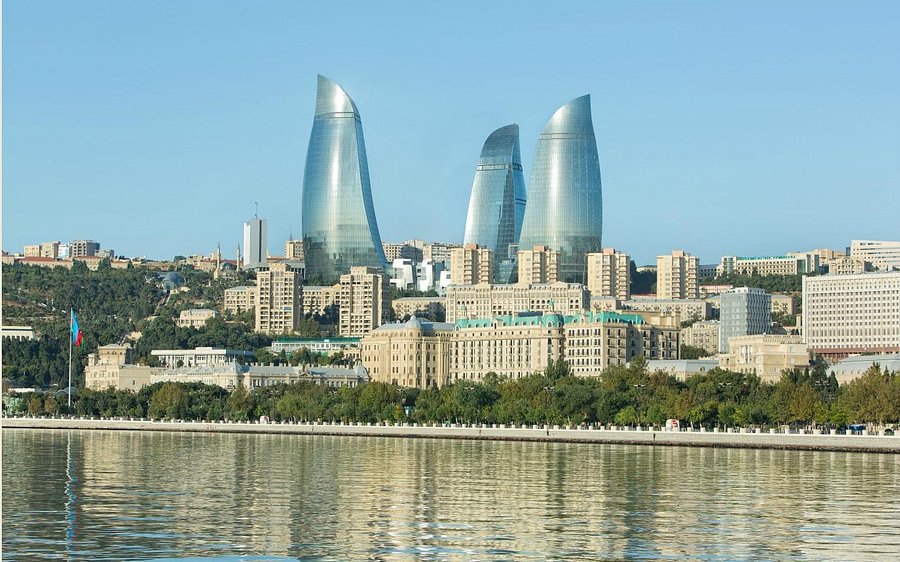
Insider tip: Arrange a private guided tour of the Flame Towers' observation deck at sunset followed by dinner at a traditional baku house restaurant in the Old City - a contrast of ancient and ultramodern that defines Baku's unique character and is best experienced through your hotel's exclusive cultural concier
Avoid: Avoid July and August when Baku's summer heat, combined with the industrial character of this oil city, can make outdoor exploration less comfortable and the city's leisure appeal is at its lowest relative to its cultural richness.